Introduction: CCTV Installation Business Setup in Dubai
Dubai’s rapid growth as a global business and commercial hub has made security and surveillance systems a legal and operational necessity across residential, commercial, and industrial sectors. As a result, the demand for Professional CCTV Installation Services continues to rise, creating strong opportunities for entrepreneurs planning a CCTV Installation business setup in Dubai. However, this sector is strictly regulated, and operating without proper approvals can lead to serious penalties.
Any individual or company planning to enter the CCTV Camera Installation Business in Dubai must comply with the CCTV Legal Requirements Dubai and CCTV Rules and Regulations in Dubai, which are governed by the Security Industry Regulatory Agency (SIRA). From system design and equipment standards to installer certification and approvals, SIRA plays a critical role in ensuring Commercial CCTV Compliance Dubai and adherence to Surveillance System Regulations UAE.
In addition to regulatory approvals, businesses must obtain the correct Security Equipment Installation License Dubai, choose the right jurisdiction, and understand the cost of starting business in Dubai. With proper planning, it is possible to set up a profitable company in Dubai while securing the cheapest business license in Dubai that aligns with CCTV trading or installation activities.
Read Post: How to Setup Business in UAE?
Benefits of CCTV Installation Business Setup in Dubai, UAE
1. High and Growing Market Demand
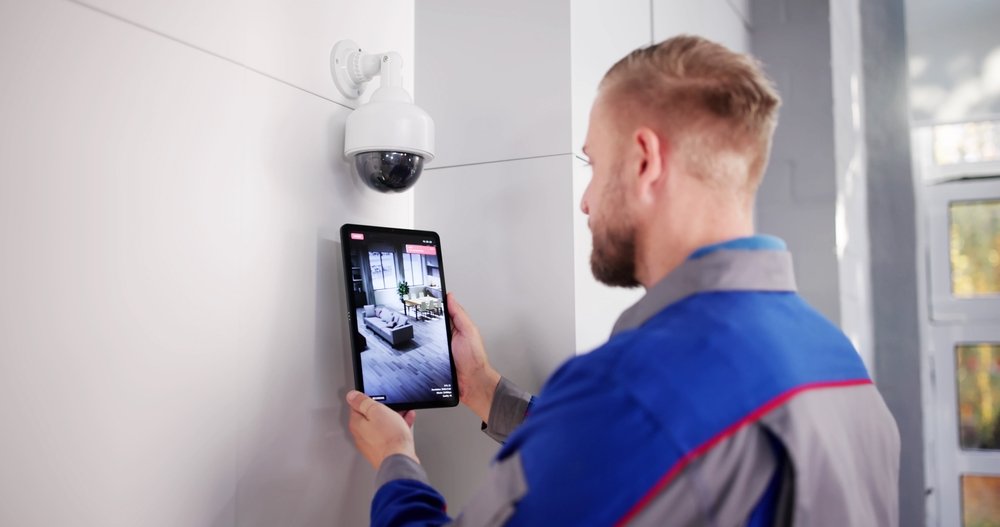
Dubai’s strong focus on safety, smart infrastructure, and urban development has created continuous demand for Professional CCTV Installation Services. Commercial buildings, retail outlets, warehouses, hotels, and residential communities are legally required to comply with CCTV Legal Requirements Dubai, ensuring a steady and long-term market.
2. Mandatory CCTV Compliance Across Sectors
Many business activities require Commercial CCTV Compliance Dubai before they can operate. This makes the CCTV Camera Installation Business in Dubai a compliance-driven service, meaning clients actively seek approved providers rather than optional vendors.
3. SIRA-Regulated Industry Ensures Quality & Trust
The Security Industry Regulatory Agency (SIRA) strictly regulates CCTV systems and installers. Operating a SIRA Approved CCTV trading business in Dubai enhances credibility, builds trust with clients, and reduces competition from unlicensed operators.
4. Wide Client Base Across Multiple Industries
A CCTV installation company can serve diverse sectors including retail, hospitality, healthcare, logistics, construction, education, and government projects—making revenue streams diversified and scalable.
5. Opportunity to Start with the Cheapest Business License in Dubai
With the right activity selection, entrepreneurs can obtain the Security Equipment Installation License Dubai at a competitive cost, making it easier to control the cost of starting business in Dubai while entering a high-value service sector.
6. High Profit Margins with Repeat Business
Beyond installation, businesses can generate recurring income through maintenance contracts, system upgrades, AMC services, and compliance renewals under Surveillance System Regulations UAE.
7. Strong Government Support for Security & Smart City Initiatives
Dubai’s vision for smart cities and advanced surveillance infrastructure continues to boost demand for compliant CCTV solutions, making this a future-proof business model.
8. Easy Business Setup and Scalability
With professional guidance, it is straightforward to set up your business in Dubai UAE, expand into CCTV trading, access control systems, and integrated security solutions, and set up a profitable company in Dubai.
Read Post: Business Setup Costs in Dubai for 2026-27
What Are the Regulations for Installing CCTV Cameras in Dubai?
Installing CCTV cameras in Dubai is governed by strict legal and technical standards to ensure public safety, data protection, and privacy. Any individual or business planning CCTV installation must comply with the CCTV Legal Requirements Dubai and CCTV Rules and Regulations in Dubai, which are enforced by the Security Industry Regulatory Agency (SIRA) under Dubai Police.
1. SIRA Approval Is Mandatory
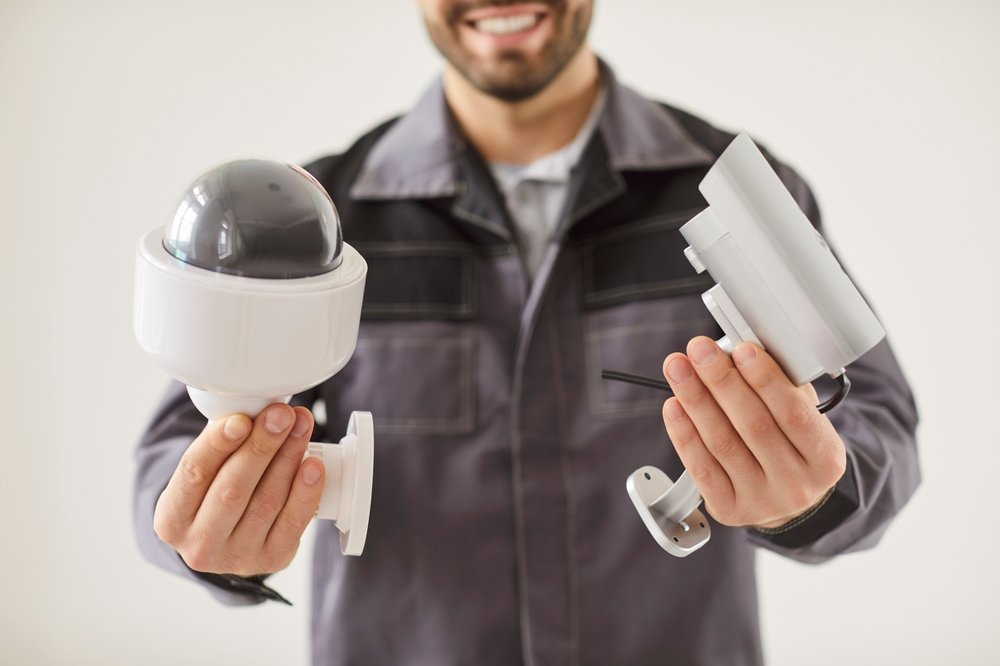
All CCTV systems installed in commercial, industrial, and regulated residential properties must comply with Security Industry Regulatory Agency (SIRA) guidelines. This includes camera specifications, system design, storage capacity, and installation quality. Only SIRA-approved CCTV installation companies are permitted to design and implement compliant systems.
2. Mandatory CCTV for Certain Businesses
Many businesses—such as retail shops, restaurants, warehouses, hotels, labour accommodations, and commercial buildings—must install CCTV systems as part of Commercial CCTV Compliance Dubai before obtaining or renewing their trade license.
3. Camera Placement & Coverage Rules
Cameras must:
- Cover entry and exit points
- Monitor cash handling areas and common spaces
- Avoid private areas such as restrooms, changing rooms, or private residences
Improper placement that violates privacy laws is strictly prohibited under Surveillance System Regulations UAE.
4. Technical & Storage Requirements
SIRA specifies minimum technical standards including:
- Approved camera resolution and quality
- Continuous recording capability
- Minimum video retention period (usually 30 days or more, depending on activity)
- Secure data storage and restricted access
5. Privacy & Data Protection Compliance
CCTV footage must be used strictly for security purposes. Unauthorized sharing, misuse, or recording beyond permitted areas can result in heavy fines or legal action.
6. Licensed Installers Only
CCTV systems must be installed by companies holding a valid Security Equipment Installation License Dubai. Technicians may also require individual SIRA certification to work on regulated projects.
7. Inspection & Final Approval
Once installation is complete, the system may be inspected by authorities to confirm compliance before final approval is granted.
Read Post: Start a Cloud Kitchen Business in Dubai: License Requirements
What Is an Installing CCTV Cameras License in Dubai?
An Installing CCTV Cameras License—commonly referred to as a Security Equipment Installation License Dubai—is a legal trade license issued by Dubai’s Department of Economy and Tourism (DET) that allows a company to install, configure, and maintain CCTV and surveillance systems.
For regulated projects, this license must be supported by approval from the Security Industry Regulatory Agency (SIRA), which governs all CCTV and security-related activities in Dubai.
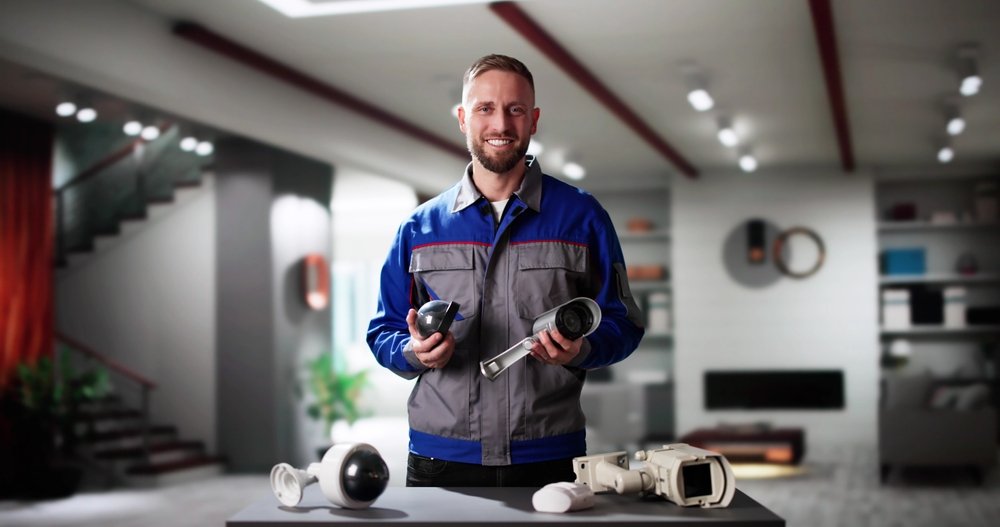
This license is mandatory for any business offering Professional CCTV Installation Services in compliance with CCTV Legal Requirements Dubai and CCTV Rules and Regulations in Dubai.
Why Do You Need a CCTV Installation License in Dubai?
You need this license because CCTV installation is a regulated security activity in the UAE. Dubai authorities strictly control who can design, install, and maintain surveillance systems to ensure:
- Compliance with Surveillance System Regulations UAE
- Protection of privacy and data security
- Standardized system quality and performance
- Legal operation under Commercial CCTV Compliance Dubai
Without a valid license and SIRA approval, businesses may face heavy fines, blacklisting, or closure, and clients may be unable to obtain their own trade license approvals.
Read Post: How to Start an AI Company in Dubai, UAE
Activities Allowed Under a CCTV Installation License
With an approved CCTV Camera Installation Business in Dubai, you can legally perform the following activities:
1. CCTV System Installation
- Install surveillance cameras in commercial, industrial, and residential properties
- Execute projects that require SIRA Approved CCTV systems
2. CCTV System Design & Configuration
- Design camera layouts as per SIRA standards
- Configure recording systems, storage, and monitoring setups
3. Maintenance & Annual Support Contracts
- Provide system maintenance, troubleshooting, and AMC services
- Upgrade existing CCTV systems to meet updated regulations
4. CCTV Equipment Integration
- Integrate CCTV with access control, alarm systems, and monitoring software
- Support compliance inspections and system audits
5. CCTV Trading (With Additional Approval)
- Trade and supply approved CCTV cameras and security equipment
- Operate a SIRA Approved CCTV trading business in Dubai (subject to added activity approval)
Who Typically Requires This License?
- CCTV installation companies
- Security solution providers
- IT & low-voltage system integrators
- Entrepreneurs planning a CCTV Installation business setup in Dubai
Step-by-Step Business Setup Process in Dubai
Setting up a business in Dubai follows a structured legal process designed to ensure transparency, compliance, and long-term sustainability. Whether you are establishing a service company, trading business, or regulated activity such as CCTV installation, each step must be completed carefully.
Read Post: Bed Space Business Setup in Dubai, UAE: License & Cost
Step 1: Identify the Business Activity
The first step is to clearly define your business activity. Dubai authorities categorize business activities in detail, and selecting the correct activity determines the approvals, regulations, and authorities involved. For regulated sectors such as security or surveillance services, choosing the correct activity is critical to avoid compliance issues later.
Step 2: Choose the Legal Structure
Next, you must decide the legal structure of your company. Options typically include sole establishment, civil company, or limited liability company (LLC). The chosen structure affects ownership, management responsibilities, and legal obligations. This decision should align with your business goals and future expansion plans.
Step 3: Select the Business Jurisdiction
Dubai offers different jurisdictions such as mainland and free zones. Each jurisdiction has its own regulatory framework, permitted activities, and operational scope. Selecting the right jurisdiction determines where and how you can conduct business and whether additional regulatory approvals are required.
Step 4: Reserve a Trade Name
A compliant trade name must be reserved with the authorities. The name should reflect your business activity, follow naming guidelines, and avoid restricted or misleading terms. Once approved, the trade name becomes your official business identity.
Step 5: Obtain Initial Approval
Initial approval confirms that the authorities have no objection to you starting the business. At this stage, the government evaluates the proposed activity, ownership structure, and basic company details. This approval allows you to proceed with formal documentation and regulatory processes.
Step 6: Secure External Approvals (If Required)
Some activities require approvals from additional regulatory bodies. For example, security-related businesses must comply with sector-specific authorities before licensing. These approvals ensure that your business meets technical, operational, and legal standards set by regulators.
Step 7: Prepare Legal Documents
You must prepare and sign legal documents such as the Memorandum of Association (MOA) or service agreements. These documents define ownership, responsibilities, and operational authority. Accuracy at this stage is essential to avoid future disputes or delays.
Step 8: Establish a Business Location
Every company must have a registered business address. Depending on the activity, this could be an office, commercial space, or approved facility. The premises must comply with regulatory and zoning requirements linked to the business activity.
Step 9: Submit License Application
Once all documents and approvals are ready, the final license application is submitted to the relevant authority. The authorities review the application to ensure full compliance before issuing the trade license.
Step 10: Complete Post-Licensing Formalities
After receiving the license, businesses must complete additional formalities such as immigration registrations, employee onboarding processes, and operational setup. This ensures the company can function legally and smoothly.
Step 11: Open a Corporate Bank Account
A corporate bank account is required to manage business transactions. Banks will review company documents, business activities, and compliance status before account activation.
Read Post: Wio Bank – Future of Digital Banking in Dubai
Step 12: Begin Operations & Maintain Compliance
Once operational, businesses must continue to comply with local laws, renew licenses on time, maintain regulatory approvals, and follow reporting requirements. Ongoing compliance ensures uninterrupted operations and long-term success.
Technical Specifications and Standards for CCTV Installation in Dubai
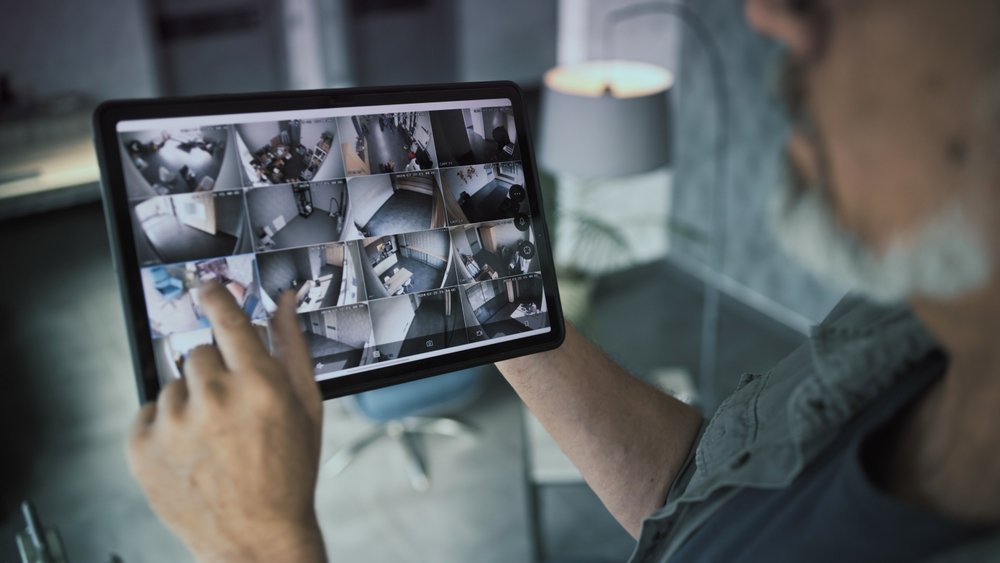
When planning a CCTV Installation business setup in Dubai or installing surveillance systems for commercial or residential use, compliance with technical specifications is mandatory. Dubai authorities enforce strict CCTV Legal Requirements Dubai to ensure that surveillance systems deliver reliable performance while supporting public safety and law enforcement objectives. These standards are regulated by the Security Industry Regulatory Agency (SIRA) and form a core part of the CCTV Rules and Regulations in Dubai.
Minimum Camera Resolution
All CCTV cameras installed under Commercial CCTV Compliance Dubai must meet approved resolution standards. In most cases, cameras are required to provide at least Full HD (1080p) resolution or higher. High-resolution footage ensures clear identification of individuals, vehicles, and incidents, which is essential for investigations and regulatory audits under Surveillance System Regulations UAE.
Night Vision and Low-Light Performance
To ensure uninterrupted surveillance, CCTV systems must include infrared (IR) or advanced night vision capabilities. This allows continuous monitoring during nighttime or low-light conditions, a key requirement for businesses operating 24/7. SIRA-approved systems are evaluated for consistent performance regardless of lighting conditions.
Secure Storage and Data Retention
One of the most critical CCTV Legal Requirements Dubai is secure footage storage. Systems must be capable of retaining recorded data for a minimum of 30 days, depending on the business activity and risk classification. Storage must be tamper-proof, protected against unauthorized access, and compliant with privacy and data protection rules defined under CCTV Rules and Regulations in Dubai.
System Integration and Centralized Monitoring
CCTV systems must be compatible with centralized monitoring platforms approved by the Security Industry Regulatory Agency (SIRA). This ensures seamless access to footage when required by authorities and supports real-time monitoring for enhanced security control. Integration capability is a mandatory factor for SIRA Approved CCTV trading business in Dubai and licensed installers.
Importance of Compliance
Meeting these technical standards is essential not only for legal approval but also for maintaining operational credibility. Non-compliant systems may lead to rejection during inspections, penalties, or license delays. For businesses offering Professional CCTV Installation Services, adherence to these specifications ensures smoother approvals and long-term trust.
Read Post: Blockchain Business Setup in Dubai, UAE: License Process & Cost
CCTV Installation Business Setup & License Costs in Dubai
1. Mainland License in Dubai – Commercial License
| Particulars | Amount (AED) |
|---|---|
| Initial Approval | 245 |
| Name Reservation | 620 |
| LSA Agreement (Memorandum of Association) | 540 |
| DED Payment Voucher (with Arabic Trade Name) | Up to 12,000* |
| Ijari (Lease Contract) | 3,000 – 5,000 |
| SIRA Approval | 2,000 – 6,000 |
| Infibiz Consultancy Fee | 2,500 |
| Total Estimated Cost | 11,905 – 26,205 |
*Note: The DED Payment Voucher covers costs up to AED 12,000. Additional charges may apply if the specified limit is exceeded.
2. Additional Costs for Commercial License
| Additional Costs | Estimated Range (AED) |
|---|---|
| Agent Fees (for foreign investors) | 5,000 – 15,000 annually |
| Market Fees (for commercial license) | ~2.5% of annual rent |
3. SIRA-Approved CCTV Installation Business Setup Costs
| Property Type / Setup | Estimated Cost (AED) |
|---|---|
| Apartments/Studios (2-4 Cameras) | 1,200 – 2,500 |
| Villas (6-8 Cameras) | 3,000 – 6,000 |
| Offices/Shops (Medium Scale) | 2,500 – 8,000 |
| Large Commercial/Warehouses (20+ Cameras) | 15,000 – 30,000+ |
| SIRA Audit/Inspection | Around 1,200 |
| NVR/DVR Approval | Around 120 |
| SSD/SVG Drawing Preparation | Varies based on project complexity |
Calculate your business setup cost.
Factors Influencing CCTV Installation Costs
- Number & Type of Cameras: Bullet, dome, or PTZ cameras; higher resolution cameras increase the price.
- Property Size & Complexity: Larger properties require more coverage and advanced configurations.
- Storage (NVR/DVR): Higher-capacity storage systems increase cost.
- SIRA Compliance: Costs for design, auditing, and equipment approvals are mandatory.
- Advanced Features: Cloud storage, facial recognition, or smart notifications can add to total setup costs.
Setting up a CCTV Camera Installation Business in Dubai requires both a commercial license and SIRA approval. Actual costs depend on license type, property size, number of cameras, and technical specifications. Entrepreneurs should always get multiple quotes from SIRA-approved CCTV companies to ensure precise budgeting while planning a CCTV Installation business setup in Dubai.
Conclusion
Dubai’s security and surveillance sector continues to grow rapidly, making it an ideal time for entrepreneurs to explore a CCTV Installation business setup in Dubai. With the city’s strong focus on safety, smart infrastructure, and compliance, businesses must adhere to CCTV Legal Requirements Dubai and follow CCTV Rules and Regulations in Dubai. Obtaining the correct Security Equipment Installation License Dubai and ensuring SIRA compliance is crucial for both residential and commercial projects.
A licensed CCTV Camera Installation Business in Dubai ensures that all systems meet the Surveillance System Regulations UAE, from camera resolution and night vision capabilities to secure storage and centralized monitoring. By operating under a SIRA Approved CCTV trading business in Dubai, entrepreneurs not only gain credibility but also access a broad client base across offices, villas, commercial complexes, and large warehouses.
Proper planning allows businesses to set up a profitable company in Dubai, achieve Commercial CCTV Compliance Dubai, and provide Professional CCTV Installation Services to a growing market. Whether starting small with apartments or scaling to large commercial projects, following technical standards and regulatory frameworks is essential for long-term success and sustainable growth.
How Infibiz Can Help You Get Your CCTV License
Infibiz simplifies the process of starting a CCTV Camera Installation Business in Dubai by guiding entrepreneurs through every step of business setup. From selecting the correct business activity to obtaining the cheapest business license in Dubai, Infibiz ensures your company is fully compliant with CCTV Legal Requirements Dubai and CCTV Rules and Regulations in Dubai.
Our team helps secure the Security Equipment Installation License Dubai and manages the SIRA Approved CCTV trading business in Dubai approvals, ensuring your business can legally provide Professional CCTV Installation Services. We also assist with trade name reservation, document preparation, initial approvals, and post-license formalities, making it easy to set up your business in Dubai UAE without stress.
Book Free Consultation with Infibiz’s Experts.
With Infibiz, you can confidently establish a compliant, reliable, and profitable CCTV installation business while meeting Surveillance System Regulations UAE and positioning your company for sustainable growth in Dubai’s rapidly expanding security sector.